OUR STORIES
An important part of our mission is to document individual histories and stories. We were gifted a digital recorder some years ago by I.R.I.S. (Initiative for Rural Innovation and Stewardship) which we use to collect oral histories. We invite you to join our effort to collect and share these important glimpses into our history! Watch for content added regularly and send your stories and photographs to officeqvhsm@gmail.com!
Remembering Low Gap: A Lost Community of the Columbia Basin
By Rachel Dubes
A few miles south of George, at the northeast edge of a farm circle, sits a small memorial serving as a reminder of a time nearly forgotten. A time that looked very different from the leveled and irrigated land that now surrounds it. Many families that settled that dry and harsh desert moved away, some stayed, and others, like mine, would return decades later with only stories remaining of the homesteads, churches, and schools that once stood.
My great-grandparents, like many settlers to the Columbia Basin in the early 1900s, were German emigrants from Russia. The promise of freedom brought them to America. The promise of land brought them west and they homesteaded southeast of modern day George, Washington. The nearest community at the time was Low Gap, named for its location at a “gap” in Frenchman Hills. Water was scarce. The land was dry. Life was hard
My grandfather’s birth certificate lists Low Gap as his birthplace. His family lived in a small wooden house, typical of the time. The memorial sits near the location of the church and cemetery where his sister was buried at just four years old, the casualty of a fire accident. Eventually, the family moved to Odessa. The Columbia Basin Project would bring new life to the drought ridden land and by the time my family returned to live in nearby Quincy, the visual evidence of the Low Gap community, the homestead, and the cemetery location were gone.
Nearly 100 years after my family homesteaded, I was given a high school assignment to research a topic with a personal connection. I chose to research the location of the cemetery where my great aunt was buried. While many graves were relocated, some, including my aunt’s, were not. The search for the cemetery led me to meet several homesteading families of the area and gave me a greater appreciation for my roots and the hardworking survivors of the Columbia basin.
Through the support of those families and the landowners, we located the cemetery. Three years later, with donations and a grant from the Ernie Forge Fellowship Foundation, it became the Low Gap Cemetery Memorial in memory of the people who “claimed a desert” with the help of a community who built that desert into the thriving area it is today. This July marks the 20th anniversary of the memorial’s dedication.
Rachel continues to call the Columbia Basin home. She works as a music teacher at Red Rock Elementary in Royal City, just over 10 miles from where her family homesteaded.
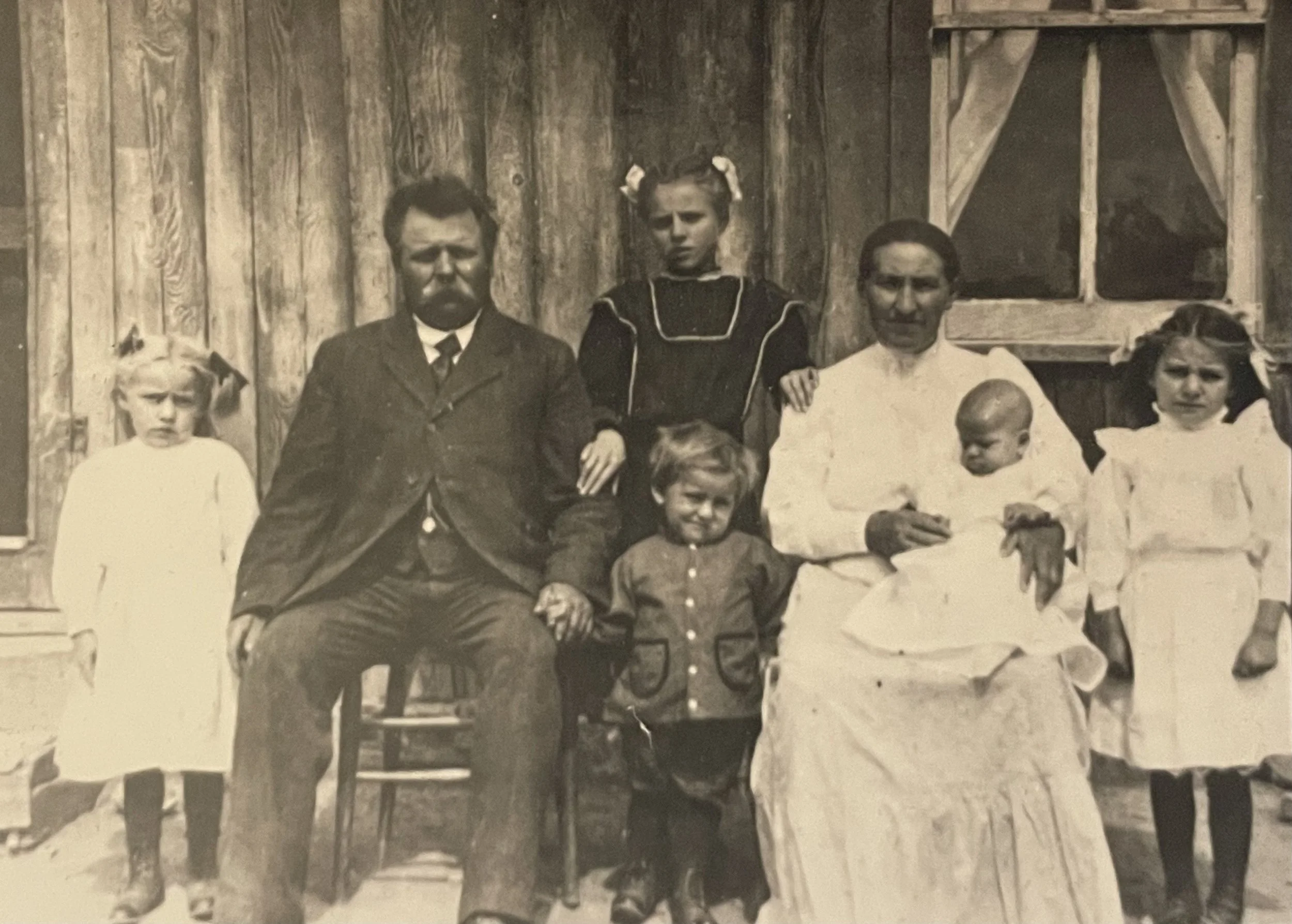
Rachel’s great grandparents
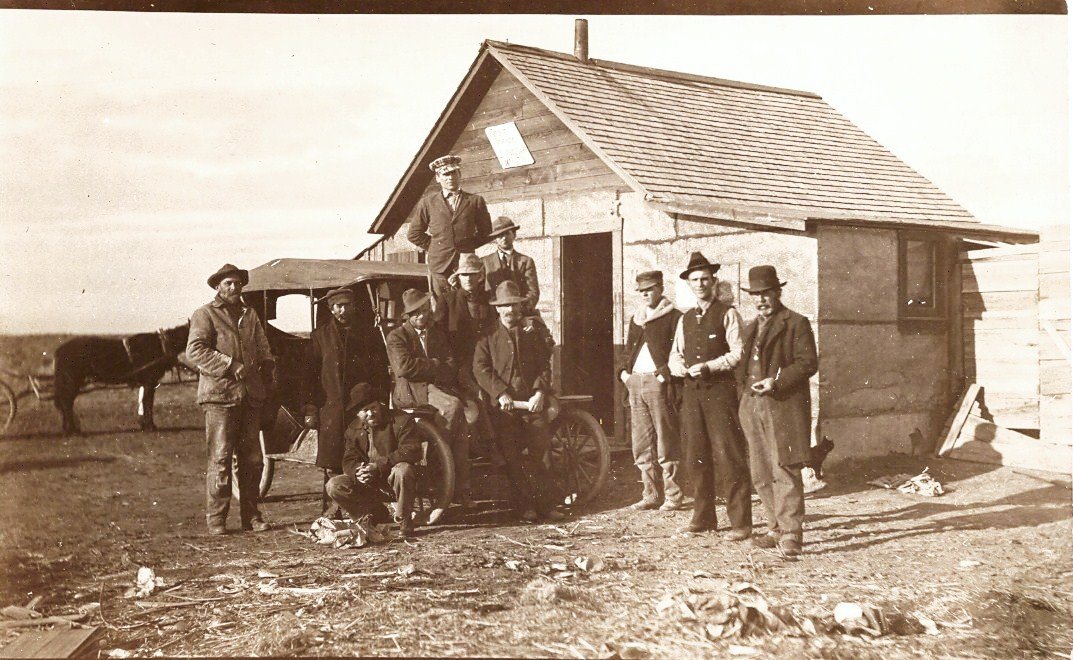
Low Gap Store 1913
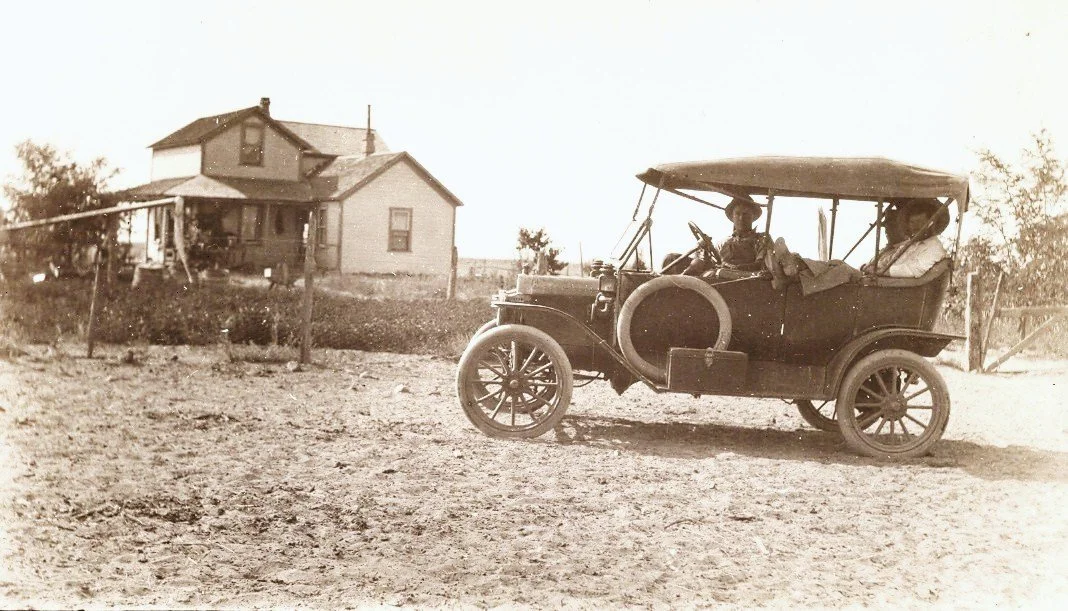
Low Gap Girard home 1913